Thermal Paradise Relaxation Guide: A Journey to the Healing Springs
The concept of healing through thermal waters is as ancient as civilization itself. From the Roman baths to the Japanese onsen, cultures across the globe have long revered the restorative powers of geothermal springs. In today’s fast-paced world, the allure of these natural sanctuaries has only grown stronger, offering a rare escape from the relentless demands of modern life. A geothermal retreat is not merely a vacation—it’s a transformative experience that soothes the body, calms the mind, and reconnects us with the earth’s primordial energy.
What makes these geothermal havens so extraordinary is their unique blend of science and serenity. The mineral-rich waters, heated deep within the earth’s crust, emerge at the surface carrying a cocktail of therapeutic elements—lithium for mood stabilization, sulfur for skin rejuvenation, magnesium for muscle relaxation. Yet beyond biochemistry lies something harder to quantify: the almost mystical tranquility that settles over you as you sink into waters that have flowed unchanged for millennia. Time slows. Breath deepens. The weight of the world dissolves in the steam.
Iceland’s Blue Lagoon exemplifies this perfect marriage of nature and nurture. The milky-blue waters, rich in silica and algae, stretch across a lava field like something from a dreamscape. Visitors often speak of the surreal sensation—the contrast between the cool Arctic air and the enveloping warmth, the way the midnight sun glitters on the water’s opaque surface. But what truly sets this place apart is its ability to make even the most type-A personalities surrender to stillness. There are no phones buzzing in the steam, no deadlines in the mist—just the occasional murmur of awe in a dozen different languages.
For those seeking a more secluded experience, New Zealand’s Rotorua region offers geothermal wonders far from the tourist trails. Here, hidden among fern forests and bubbling mud pools, are family-run hot springs where the water emerges at precisely 39.5°C—the temperature of a mother’s womb. Local Maori guides speak of the waters as living entities, recounting centuries-old legends where hot springs served as portals between worlds. To bathe here is to participate in an ancient ritual, one that predates spa playlists and fluffy robes by several centuries.
The therapeutic benefits extend far beyond the duration of your soak. Studies have shown that geothermal bathing can lower cortisol levels by nearly half, with effects lasting weeks after the trip. The heat dilates blood vessels, allowing minerals to penetrate deeply while promoting circulation. Many chronic pain sufferers report dramatic relief, particularly from conditions like arthritis and fibromyalgia. Yet perhaps the most profound healing occurs on a psychological level—the act of surrendering to warm, buoyant water triggers a primal sense of safety, melting away stress in ways that talk therapy and medication often struggle to achieve.
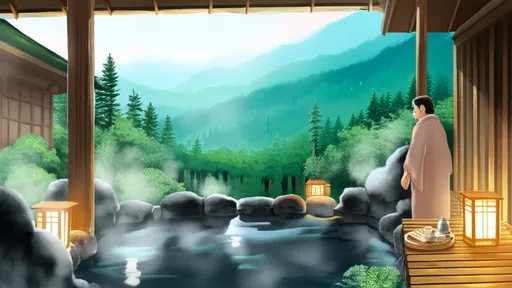
Japan’s onsen culture takes this philosophy to its zenith. In towns like Beppu and Kusatsu, bathing is neither hurried nor solitary, but a communal meditation. The rituals surrounding these springs—the precise washing before entering, the silent soaking, the sharing of space without expectation of conversation—create a rare modern phenomenon: truly unplugged togetherness. An elderly local might share the water with a Tokyo salaryman, both equally anonymous in the steam, both equally human. The waters erase hierarchies as effectively as they cleanse the skin.
Planning your own geothermal pilgrimage requires thoughtful consideration. Unlike conventional resorts, the most authentic hot spring experiences often lie off the beaten path. In Turkey’s Pamukkale, for instance, the travertine terraces require visitors to remove footwear and walk barefoot across mineral deposits—a small but significant act of connection with the earth. Similarly, Chile’s geothermal fields near Pucon demand a hike through ancient forests before reaching waters that bubble beside active volcanoes. These journeys matter; the effort required to reach these places becomes part of their transformative power.
The resurgence of interest in geothermal bathing speaks to a deeper cultural shift. In an age where wellness has become synonymous with expensive gadgets and complicated routines, there’s something radically simple about healing methods that require nothing more than showing up and sinking in. The earth has been offering these gifts since long before spa franchises existed, and will continue long after our current notions of self-care have evolved into something new. To immerse yourself in geothermal waters is to participate in an unbroken chain of human experience—one steamy, mineral-rich soak at a time.