Stargazer's Guide: Top Global Spots for Star Gazing
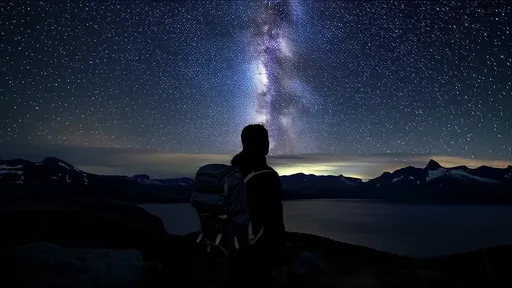
The night sky has always held a mystical allure for humanity, a canvas of twinkling stars that invites us to ponder the vastness of the universe. For those who seek to escape the light pollution of modern cities and immerse themselves in the celestial wonders, the world offers a handful of pristine locations where the stars shine with unparalleled brilliance. These remote sanctuaries, far from the glare of urban life, provide an unfiltered connection to the cosmos, making them the ultimate destinations for stargazers and astronomers alike.
Chile’s Atacama Desert stands as one of the most otherworldly landscapes on Earth, a place where the arid expanse meets the heavens in a breathtaking display. The high-altitude plains, combined with minimal cloud cover and almost no light pollution, create near-perfect conditions for stargazing. The European Southern Observatory’s Very Large Telescope (VLT) calls this region home, a testament to its astronomical significance. Visitors can witness the Milky Way in all its glory, with constellations so vivid they seem within arm’s reach. The desert’s surreal terrain, dotted with salt flats and geysers, only enhances the feeling of standing on another planet.
Another gem for celestial enthusiasts is Namibia’s NamibRand Nature Reserve, a sprawling wilderness where the night sky remains untouched by artificial light. The reserve’s commitment to dark-sky preservation has earned it Gold Tier certification from the International Dark-Sky Association. Here, the stars don’t just twinkle—they blaze across the horizon, casting faint shadows on the red dunes below. The silence of the desert, broken only by the occasional call of a nocturnal creature, adds to the profound sense of solitude and wonder. It’s a place where the universe feels intimately close, as if the secrets of the cosmos are just a whisper away.
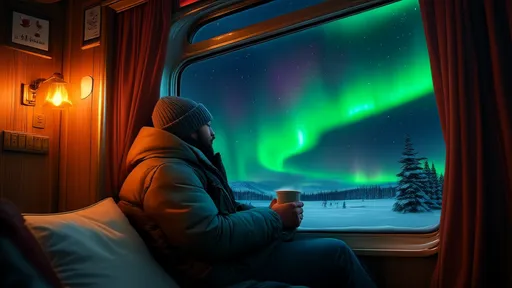
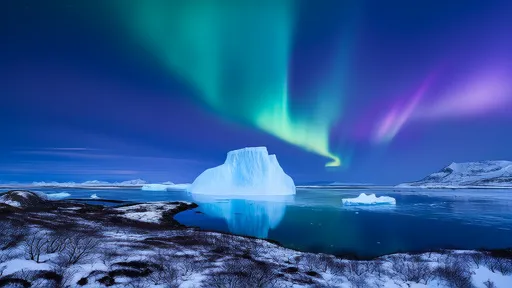
For those willing to brave the cold, Iceland’s Þingvellir National Park offers a stargazing experience unlike any other. Located within the Golden Circle, this UNESCO World Heritage site is not only rich in history but also boasts some of the clearest skies in the Northern Hemisphere. During the winter months, the aurora borealis dances overhead, painting the night with ethereal greens and purples. Even without the northern lights, the sheer density of visible stars is staggering. The juxtaposition of glacial rivers and volcanic terrain beneath a star-studded sky creates a scene of raw, untouched beauty.
In the heart of the Pacific, Mauna Kea in Hawaii rises above the clouds, its summit hosting some of the world’s most advanced observatories. At nearly 14,000 feet, the thin atmosphere and lack of light pollution provide an unobstructed view of the cosmos. Visitors often describe the experience as humbling, as the sheer scale of the universe becomes undeniably apparent. The cultural significance of Mauna Kea to native Hawaiians adds another layer of depth, reminding stargazers that the stars have guided humanity for millennia.
Closer to civilization but no less spectacular, New Zealand’s Aoraki Mackenzie Dark Sky Reserve offers a accessible yet equally mesmerizing experience. The reserve’s stringent light-pollution controls ensure that the night sky remains pristine, with the Southern Cross and Magellanic Clouds dominating the view. The surrounding Southern Alps provide a dramatic backdrop, their snow-capped peaks glowing faintly under the starlight. It’s a reminder that even in a world increasingly dominated by artificial light, pockets of untouched darkness still exist.
Each of these destinations offers a unique window into the universe, a chance to step away from the chaos of daily life and reconnect with something far greater. Whether it’s the silence of the desert, the chill of an Arctic night, or the thin air of a volcanic summit, these places remind us of our place in the cosmos. For the true star chaser, the journey to these celestial havens is not just about seeing the stars—it’s about feeling them, in all their infinite wonder.