Learn to Cook Local Dishes: Culinary Workshop Travel Checklist
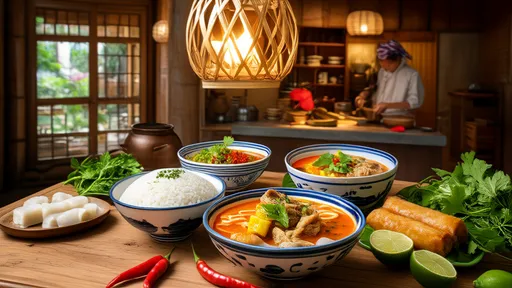
There’s something magical about learning to cook a dish in the place where it was born. The aromas, the techniques, and the stories behind each recipe come alive when you’re standing in a local kitchen, surrounded by the very ingredients that define a culture. Food workshops while traveling offer more than just a meal—they provide a doorway into the soul of a destination. Whether you’re kneading pasta dough in Italy or grinding spices for a curry in Thailand, these experiences linger long after the last bite.
For many travelers, the idea of joining a culinary workshop abroad is both exciting and daunting. Where do you even begin? The key is to find workshops that align with your interests and skill level. Some are designed for complete beginners, focusing on simple, iconic dishes that anyone can recreate at home. Others dive deep into regional specialties, requiring patience and a willingness to embrace unfamiliar methods. No matter which you choose, the reward is the same: a deeper connection to the people and traditions that shape a place through its food.
The best workshops often take place in unexpected settings. Imagine rolling sushi in a Tokyo family’s home or learning to make tamales in a Oaxacan courtyard. These intimate settings strip away the performative aspect of cooking shows and replace it with authenticity. Instructors aren’t just teachers—they’re keepers of culinary heritage, sharing knowledge passed down through generations. You’ll pick up nuances no recipe book could capture, like how the texture of dough should feel or the exact moment a sauce has reduced enough. These are the details that transform a dish from good to unforgettable.
Seasonality plays a huge role in these workshops. A summer class in Provence might focus on ratatouille bursting with ripe tomatoes and zucchini, while a winter session could highlight hearty daubes and fragrant bread soups. In Japan, cherry blossom season brings sakura-flavored treats, while autumn workshops celebrate mushrooms and sweet potatoes. Timing your trip around these seasonal shifts ensures you’re learning with ingredients at their peak—and seeing how locals adapt their cooking to nature’s rhythms.
Language barriers might seem intimidating, but they rarely hinder the experience. Cooking is a universal language, demonstrated through hands-on gestures and shared laughter. Many instructors adeptly bridge gaps with visual demonstrations or bilingual assistants. In fact, some of the most memorable moments come from these cross-cultural exchanges—like using charades to explain “knead” or bonding over the mutual struggle of flipping an omelet perfectly. These workshops aren’t just about replicating dishes; they’re about human connection.
Beyond technique, these workshops often include market visits that are worth waking up early for. There’s nothing quite like selecting eggplants with a Moroccan grandmother who teaches you how to spot the sweetest ones, or following a Thai chef through stalls overflowing with herbs you’ve never seen before. These outings reveal how ingredients are chosen, how prices are negotiated, and how relationships between vendors and cooks shape daily meals. You’ll return to the kitchen with not just groceries, but stories.
For those concerned about dietary restrictions, many workshops are surprisingly accommodating. From gluten-free pasta classes in Bologna to vegan adaptations of traditional French sauces, instructors frequently adjust recipes without sacrificing authenticity. The key is communicating needs in advance—most are happy to tweak dishes so everyone can participate fully. After all, the goal is inclusion, ensuring everyone leaves with both a full stomach and new skills.
The social aspect of these workshops shouldn’t be underestimated. Sitting down to eat what you’ve prepared with fellow travelers creates instant camaraderie. Strangers become friends over shared triumphs (who knew you could shape dumplings so well?) and harmless disasters (that one charred tortilla everyone laughs about). These meals often stretch for hours, filled with conversations that meander from food to travel stories to life philosophies. It’s these unscripted moments that often become trip highlights.
When selecting a workshop, consider the group size. Smaller groups allow for more hands-on time and personalized attention—you don’t want to spend your precious vacation watching someone else chop onions from the back of a crowded room. Look for workshops that cap participants at six to eight people, or consider private sessions if you’re traveling with family or friends. The extra investment usually translates to a richer, more tailored experience.
Documenting the experience has become easier than ever, but there’s an art to it. While it’s tempting to film every step, resist the urge to view the entire class through your phone screen. Instead, focus on being present. Snap a few photos of key techniques or finished dishes, then put the device away. The muscle memory of shaping dough or the scent of toasted spices will stay with you far longer than any digital recording. That said, do take notes—jot down those unexpected tips that make all the difference, like adding a splash of vinegar to balance flavors or letting meat rest longer than you’d think.
Packing for these workshops requires some forethought. Comfortable, closed-toe shoes are a must for standing on hard kitchen floors. Bring a lightweight apron if you’re particular about keeping clothes clean (though most provide them). Consider a small notebook with a pen that clips onto your pocket for easy access. If you have favorite kitchen tools from home—a well-worn peeler or a trusted paring knife—check if the workshop allows you to bring them along. Just remember that international flights may prohibit certain items in carry-ons.
The true test of a great food workshop comes after you return home. Can you recreate the dishes without the instructor’s guidance? Many workshops now provide digital recipe packets or follow-up videos to reinforce what you learned. Some even create online communities where participants swap adaptation tips or troubleshoot challenges. The mark of success isn’t perfection—it’s the confidence to improvise based on what you’ve absorbed, making the recipes your own while honoring their origins.
Food workshops while traveling do more than teach cooking—they reshape how you experience destinations. Suddenly, every meal out becomes a chance to reverse-engineer flavors. Market visits turn into treasure hunts for ingredients you now recognize. Even your home kitchen becomes a place of adventure, where a single smell can transport you back to that sunny terrace in Greece or that bustling Hanoi alleyway. In this way, the journey continues long after your suitcase is unpacked.
For those ready to dive in, start by researching workshops offered at your next destination. Look beyond tourist-oriented cooking schools to find gems like community centers teaching family recipes or vineyards pairing cooking with wine harvests. Read reviews carefully, paying attention to comments about authenticity and hands-on participation. And most importantly, arrive hungry—not just for food, but for the kind of cultural immersion that only happens when you roll up your sleeves and start chopping, stirring, and tasting your way through a place’s culinary heartbeat.