A Guide to 10 Secluded Islands with Few People and Beautiful Scenery
For travelers seeking solitude amidst breathtaking natural beauty, the world still holds pockets of paradise untouched by mass tourism. These hidden island gems offer serene beaches, vibrant marine life, and cultural authenticity far from crowded resorts. The true magic lies not just in their landscapes, but in the rare opportunity to experience coastal life at its most undisturbed.
Off Chile’s rugged coast, Chiloé Island whispers tales of mythology and wooden churches. Mist-shrouded hills reveal stilted palafito houses painted like Easter eggs, while local fishermen haul in the day’s catch using methods unchanged for generations. The island’s curanto – a seafood feast cooked with hot stones in sand pits – tastes of tradition itself. Unlike mainland Patagonia’s tourist trails, Chiloé’s labyrinth of waterways remains largely unexplored by outsiders.
Further north in the Atlantic, Portugal’s Berlenga Grande emerges from the waves like a forgotten fortress. The 16th-century São João Baptista fort, perched dramatically on an islet, guards empty coves where bioluminescent plankton illuminates night swims. Hiking trails wind through thyme-scented cliffs alive with nesting seabirds, the silence broken only by waves crashing against sea caves. Daytrippers from Peniche depart by late afternoon, leaving the island to those wise enough to overnight in its lighthouse-turned-hostel.
Japan’s subtropical Yakushima Island exists in perpetual twilight beneath ancient cedar canopies. Moss carpets every surface in this primeval forest that inspired Studio Ghibli’s Princess Mononoke. Few visitors venture beyond the popular Shiratani Unsuikyo gorge, leaving miles of trails through yakusugi trees over 1,000 years old entirely deserted. Coastal onsens offer steaming respite after days spent tracking the island’s elusive deer and monkeys through misty valleys.
In the Andaman Sea, Thailand’s Koh Jum remains stubbornly resistant to development. Golden Long Beach stretches empty for kilometers, backed by rubber plantations where workers collect sap at dawn. The absence of beach bars creates perfect darkness for stargazing, interrupted only by the occasional firefly or passing fishing boat. Locals still outnumber tourists at the nightly seafood grills, serving red snapper caught that morning in squid-ink curry.
The Azores’ Corvo Island feels like the edge of the world – because geographically, it nearly is. This volcanic speck in the mid-Atlantic houses all 400 residents in a single village clustered around a crater lake. Shepherds still whistle unique codes to their flocks across the caldera’s rim. With just three flights weekly from neighboring Flores, visitors become temporary islanders, drinking espresso with farmers at the one café and hiking cliffs where no guardrails interrupt the ocean views.
Malaysia’s Pulau Tenggol reveals why seasoned divers guard its coordinates jealously. Unlike overcrowded Sipadan, this marine park sees perhaps twenty visitors daily. Coral walls explode with harlequin shrimp and ghost pipefish just meters from shore, while whale sharks frequent the channel between the main island and the tiny islet of Rajawali. Beachfront chalets number fewer than twenty, ensuring each sunset over the South China Sea feels privately yours.
Far from Croatia’s yachting crowds, Lastovo Island preserves medieval charm in its smoke-stacked stone houses. The annual Poklad carnival sees villagers wearing elaborate papier-mâché masks to chase away winter – a tradition dating to 14th-century pirate attacks. Olive groves and vineyards terrace the hillsides, producing oil and wine barely exported beyond the island. With no proper marina and limited ferry service, Lastovo’s crystal coves remain the Adriatic’s best-kept secret.
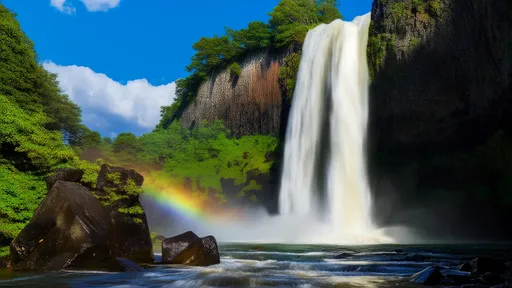
The Philippines’ Camiguin packs seven volcanoes into an island smaller than Manhattan. Hot springs bubble along the base of Hibok-Hibok, while the Sunken Cemetery’s cross rises eerily from tidal waters created by volcanic subsidence. Local sikwate (chocolate rice porridge) fuels hikes to Katibawasan Falls’ 250-meter plunge. Unlike nearby Boracay’s crowds, Camiguin’s sandy shores host more hermit crabs than people outside holiday weekends.
Norway’s Runde Island transforms into a feathered metropolis each summer when 500,000 seabirds nest on its cliffs. The narrow trail to the 1930s lighthouse passes puffins close enough to hear their wings whirr. Storm petrels perform aerial ballets above fishing boats unloading the day’s catch in Goksøyr’s tiny harbor. With just one small guesthouse and unpredictable North Sea weather deterring casual visitors, Runde offers raw Nordic wilderness without the cruise ship crowds of Lofoten.
These islands share more than just beautiful scenery – they possess an intangible spirit of place often lost in more accessible destinations. Whether it’s sharing moonshine with Croatian fishermen, learning whistled language in the Azores, or watching a Japanese macaque pause mid-trail to study you as intently as you study it, the true luxury lies in these unhurried, authentic moments. The very difficulty of reaching some preserves their magic; others maintain balance through conscious limits on tourism infrastructure. For now, they remain sanctuaries where the rhythm of tides and traditions still dictates daily life.