What If Your Phone Could Quietly Protect Your Hearing Every Day?
Have you ever missed a whispered joke, struggled to follow a conversation in a noisy café, or turned up the volume just a little too often? Hearing loss often sneaks in silently, but what if your everyday tech could help you catch it early—without any effort? Imagine your phone not just playing music, but also watching over your hearing health, moment by moment. It’s not magic. It’s already possible. And it might change how you think about self-care forever. This isn’t about turning your phone into a doctor. It’s about using what you already carry to stay connected—to your family, your memories, and the little sounds that make life feel full.
The Unnoticed Sound of Life Fading
Let’s be honest—how often do we truly listen? Not just hear, but really listen. The soft lullaby hummed by a child before bedtime. The quiet chuckle from your partner when they think you’re not looking. The first clear “I love you” from a toddler learning to speak. These are the moments that stitch together the fabric of our days. But over time, something shifts. Maybe you find yourself leaning in during dinner with friends. Or asking your daughter to repeat herself—again. You tell yourself it’s just the noise, or fatigue, or age. But deep down, you wonder: am I really hearing everything I used to?
Hearing loss isn’t always dramatic. It doesn’t usually come with a warning bell. Instead, it creeps in like a slow fade on an old photograph. You don’t notice the colors dulling until one day, you realize the picture isn’t as vivid as you remember. That’s how it is with sound. The world doesn’t go silent overnight. But small things start slipping through the cracks—the rustle of a book page, a grandchild’s whisper, the tone in someone’s voice that says they’re hurt, not angry. And when those sounds disappear, so does a layer of connection.
What’s harder to admit is how much it affects confidence. You start avoiding gatherings because it’s exhausting to piece together conversations. You laugh a little later than everyone else, not because you didn’t get the joke, but because you didn’t hear it in time. You might even feel a quiet sense of isolation, even when you’re surrounded by people who love you. The truth is, hearing isn’t just about sound—it’s about belonging. And when we lose that thread, we don’t just miss words. We miss moments.
Yet most of us wait years before doing anything. We brush it off, downplay it, or assume it’s just part of getting older. But here’s the good news: early detection changes everything. Catching subtle changes before they become significant means you can take gentle, meaningful steps—steps that preserve not just your hearing, but your place in the conversation. That’s where technology comes in, not as a cold machine, but as a quiet ally in your daily life.
How Technology Became a Silent Partner in Health
Think about how much your phone already knows about you. It tracks your steps, reminds you to stand, even guesses when you’re stressed based on your typing rhythm. We’ve grown used to tech that watches over our health in the background. But hearing? That’s always felt like something you’d need a specialist for—white coats, soundproof rooms, and beeping tones. What if you didn’t need any of that?
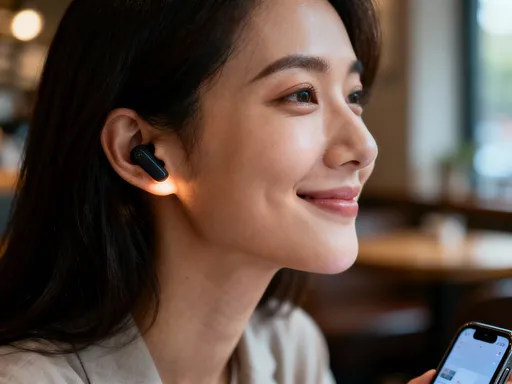
Modern smartphones are packed with tools we barely use. That microphone in your pocket? It’s more sensitive than you think. Combined with smart software, it can now help monitor how you interact with sound every day. Some apps use passive listening—meaning they don’t record conversations or eavesdrop. Instead, they notice patterns. Like how loud you usually set your music. Or how often you replay a voice message. Or whether you tend to hold the phone closer to one ear. Over time, these tiny behaviors paint a picture of your hearing habits.
It’s not about diagnosing a condition. It’s about spotting shifts. Think of it like a friend who says, “Hey, you’ve been turning up the volume more than usual this week. Everything okay?” That gentle nudge can be powerful. It doesn’t replace a doctor—but it helps you notice sooner. And when it comes to hearing, sooner is everything. Studies show that early intervention leads to better outcomes, not just medically, but emotionally. You feel more in control. More present. More like yourself.
The beauty of this approach is that it fits into your life instead of disrupting it. You don’t need to schedule a test or remember to wear a special device. It happens while you’re living—during phone calls, while streaming a show, or even when you’re just walking through a busy street. Your phone becomes a silent partner, not in a sci-fi way, but in the way a good kitchen timer helps you cook without burning the roast. It’s just there, helping, without making a fuss.
The Power of Recording Moments, Not Just Data
We’re used to health apps that give us numbers: 7,200 steps, 6.4 hours of sleep, a heart rate of 72. But what do those numbers really mean in the moment? Hearing is different. It’s not just about volume levels or frequency ranges. It’s about meaning. It’s about the tone of your niece’s voice when she says “Surprise!” at your birthday party. It’s about the way your dog whimpers when you pick up the leash. These aren’t data points. They’re memories in the making.
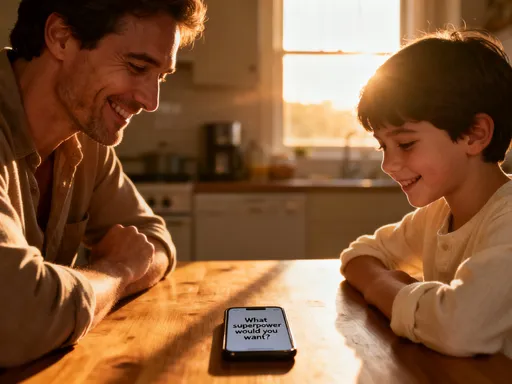
That’s why the most thoughtful hearing tools go beyond metrics. Some now include a feature that pairs audio snippets with your listening behavior. Imagine this: you record a short clip of your grandson singing “Happy Birthday” to his teddy bear. Later, the app gently asks: “Remember this moment? How clearly did you hear it? Can you still hear the softness in his voice?” It’s not about grading your hearing. It’s about helping you reflect. Over time, you build a personal sound journal—one that ties your health to what matters most.
This emotional layer makes a big difference. When self-care feels like preserving joy, it stops being a chore. You’re not just “monitoring” your hearing. You’re protecting the ability to fully experience your life. And that changes how you engage. You’re more likely to act when you see that the giggle of your youngest isn’t as crisp as it was six months ago. You’re more likely to schedule a check-up not because a number was off, but because you want to keep hearing every sweet, silly syllable.
Some apps even let you tag moments—like “first day of school” or “family dinner after holidays.” Over time, you can look back and see not just how your hearing has changed, but how your life has moved forward. And if there’s a dip in clarity, you have context. Was it after a loud concert? A week of sinus congestion? This kind of insight helps you understand your body in a deeper, kinder way. It’s not fear-based. It’s love-based. You’re not running from loss. You’re leaning into presence.
Building a Habit Without Trying
We all know the cycle. We download a health app with the best intentions. We track for three days. Then life happens. The kids get sick. Work gets busy. The app fades into the background, another good idea abandoned. The problem isn’t motivation. It’s design. Most health tools ask us to do more. But the ones that stick are the ones that ask us to do nothing.
That’s the genius of passive hearing monitoring. It doesn’t require you to remember anything. No daily tests. No special headphones. No extra steps. It works by learning your normal. What volume do you usually pick for podcasts? Do you tend to use speakerphone in quiet rooms but hold the phone closer in noisy ones? How do you react when a notification sounds softly? These everyday behaviors become the foundation of your hearing profile.
Over weeks and months, the app notices trends. Maybe you’ve started replaying voicemails more often. Or you’ve turned the TV volume up by two notches without realizing it. Instead of waiting for a crisis, the system sends a gentle alert: “We’ve noticed a small change in how you’re listening lately. Want to learn more?” No alarm. No pressure. Just a soft invitation to pay attention.
This is how real habit change happens—not through willpower, but through invisibility. You don’t have to carve out time for self-care because it’s already woven into your routine. It’s like having a smoke detector for your hearing: it doesn’t demand your attention until it needs to. And because it’s low-effort, it’s sustainable. You don’t burn out. You don’t feel guilty. You just live your life, while your phone quietly looks out for you.
Families Who Heard the Difference
Take Maria, a 52-year-old school librarian and grandmother of three. She’d been noticing that she had to ask her youngest granddaughter to repeat stories during their weekly tea parties. She chalked it up to the girl’s soft voice. But when her hearing app flagged a subtle shift in her left ear, she decided to get it checked. Turns out, she had early-stage hearing loss, likely from years of working near noisy classroom printers. With a simple hearing aid and some adjustments at home, she didn’t just hear better—she felt more connected. “I didn’t realize how much I was missing until I could hear her laugh again,” she said. “It wasn’t just sound. It was joy.”
Then there’s James, a middle school teacher in Ohio. He used a hearing-awareness app that included classroom audio feedback. After a few weeks, he noticed that his own listening patterns showed he was straining during group discussions. He realized his students with quieter voices were being overlooked—not because he didn’t care, but because he literally couldn’t hear them. He started using a small microphone system in class and encouraged quieter students to speak up. “It changed the whole energy,” he shared. “Kids felt heard. And so did I.”
These aren’t dramatic medical stories. There’s no emergency room, no surgery, no life-or-death moment. But that’s the point. The most meaningful changes often come quietly. They’re not about fixing broken things. They’re about preserving what’s already working—relationships, confidence, everyday joy. Technology didn’t save these people. It simply gave them awareness. And with that awareness came choice. Choice to act early. Choice to adjust. Choice to stay present in the lives they love.
For families, this kind of tech can be a bridge. It helps parents hear their children’s evolving voices. It helps adult children notice when a parent might need support. It doesn’t replace conversations about health. But it makes those conversations easier to start. Instead of “Mom, you’re not listening,” it becomes “Hey, I noticed this app picked up a change. Want to look at it together?” It removes blame. It adds care.
Starting Your Own Silent Check-In
If this sounds like something you’d like to try, the good news is, it’s easier than you think. You don’t need a new device. You don’t need to become a tech expert. Start by looking for a reputable hearing-awareness app in your phone’s app store. Look for ones that emphasize privacy—meaning they don’t store your recordings in the cloud or share them with third parties. Many use on-device processing, so your data stays on your phone.
When you download the app, it will likely ask for microphone access. That’s normal. But take a moment to read the permissions. A trustworthy app won’t ask for your contacts, location, or photos. It should be clear about what it collects and why. If something feels off, trust your gut and keep looking. There are several well-reviewed options from university-affiliated health labs and established wellness brands.
Once it’s set up, let it run in the background. You don’t need to do anything special. Over the next few weeks, it will learn your habits. You might get a weekly summary—something simple like “Your listening patterns have been stable” or “We noticed you’ve been using higher volume in calls lately.” Don’t panic if you see a change. These are not diagnoses. They’re invitations to reflect. Maybe you’ve had a cold. Maybe you’ve been in noisy environments. The goal isn’t perfection. It’s awareness.
Make it part of your routine. Check the summary with your morning coffee. Talk about it with your partner. Share a moment you recorded—a child’s joke, a bird singing outside. Let it become a small ritual of care, not a clinical task. And if the app suggests a hearing check, consider it a gift, not a warning. It’s not saying something’s wrong. It’s saying something matters.
Hearing the Future, One Moment at a Time
At the end of the day, we don’t live in data. We live in moments. The creak of the front door when your teenager comes home late. The sigh of relief when the baby finally falls asleep. The way your best friend says your name when she’s really happy to see you. These are the sounds that hold our lives together. And they’re worth protecting.
Technology doesn’t have to be flashy to be powerful. It doesn’t need to shout to be heard. The quietest tools are often the ones that stay with us the longest—the ones that don’t demand attention but earn our trust. A phone that helps you hear better isn’t just a gadget. It’s a guardian of connection. It’s a reminder that self-care isn’t selfish. It’s how we show up for the people we love.
So the next time you hold your phone, think of it not just as a device for messages and photos, but as a quiet companion in your well-being. It’s already with you, in your pocket, in your hand, in your life. And now, it can help you listen—really listen—to everything that matters. The future of health isn’t in a lab. It’s in the everyday. It’s in the softest sounds. It’s already here, waiting to be heard.