Struggling to stay focused while learning? This app rewired my brain for better focus and growth
We’ve all been there—sitting with a textbook or online course, phone buzzing, mind drifting, feeling like nothing sticks. I used to think I just wasn’t good at learning. Then I discovered a simple digital tool that didn’t just organize my study time—it changed how I focused, retained information, and saw my own potential. It wasn’t magic, but the results felt like it. This is the real story of how digital health tech helped me reclaim my attention and grow smarter, one small habit at a time.
The Moment I Realized My Brain Wasn’t the Problem—It Was My Tools
For years, I blamed myself. Every time I sat down to learn something new—whether it was a language, a cooking technique, or even a new app for managing household budgets—I’d start strong. But within 20 minutes, my thoughts would scatter like leaves in the wind. I’d check my messages, scroll through recipes, or suddenly remember I needed to reorder laundry detergent. The guilt always followed. Why can’t I just focus? I’d wonder. Am I too old to learn? Too tired? Too distracted by life?
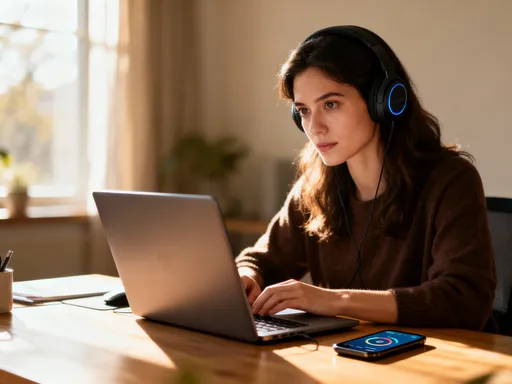
Then came the breaking point. I signed up for an online course to learn basic web design—something I’d wanted to do for years to help with my small home-based craft business. I was excited. I set up a quiet corner in the dining room, bought a notebook, even lit a candle to make it feel special. But after three weeks, I’d only completed two lessons. I wasn’t lazy—I was raising kids, running a home, and still showing up. But my brain felt foggy, scattered, defeated. One night, after closing the laptop in frustration, I asked myself a question that changed everything: What if it’s not me? What if the way I’m trying to learn just doesn’t work for how my brain actually functions?
That question opened a door. I started reading about cognitive wellness, not as something only for people with diagnosed conditions, but as a normal, everyday part of self-care—like eating well or getting enough sleep. I realized that just as we use apps to track steps or heart rate, we can now use technology to understand our mental energy. And that’s when I discovered a new kind of digital health tool—one designed not to judge me, but to help me work with my brain, not against it.
Discovering Digital Health Beyond Step Counting
When I first heard the term digital health, I pictured fitness trackers—those sleek little bands that count steps and remind you to stand up. And don’t get me wrong, those are helpful. But I had no idea how much digital health had evolved. It’s not just about the body anymore; it’s about the mind, too. There are now apps that help you understand your focus patterns, emotional energy, and mental fatigue—tools that treat your brain like the complex, rhythm-driven organ it is.
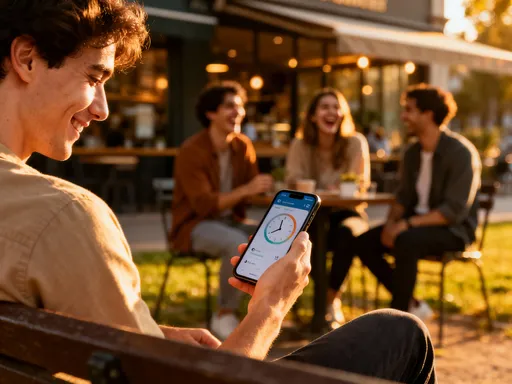
I started exploring apps focused on cognitive wellness, and one in particular stood out. It didn’t ask me to log every minute of study or quiz myself endlessly. Instead, it used simple daily check-ins—just a few taps on my phone in the morning and evening. How focused did I feel? How calm? How mentally drained? Over time, the app began to notice patterns I couldn’t see on my own. For example, it showed that my mental clarity dipped sharply after 2 p.m., no matter what I did. I’d been scheduling my most challenging learning sessions in the late afternoon, convinced that was when I had the time. But the data said otherwise: my brain was simply too tired.
That moment was a revelation. I wasn’t failing because I lacked discipline. I was failing because I was fighting against my natural rhythm. The app didn’t shame me—it showed me the truth with kindness. And once I had that truth, I could finally make changes that actually worked. It was like finally getting glasses after years of squinting: everything became clearer, not because I changed, but because I could finally see.
How Tracking My Focus Transformed My Learning Habits
Once I could see my focus patterns, everything shifted. The app didn’t just collect data—it gave me insights. One of the most powerful was learning that my sharpest mental window was the 90 minutes after my morning walk. I’d always taken a short walk with the dog, but I never connected it to my ability to learn. The app showed a clear spike in focus and mood after that routine. So I started scheduling my most important learning tasks during that window—reading, note-taking, watching videos. I protected that time like a meeting with my most important client (which, in a way, I was—my future self).
The app also helped me recognize when I was hitting a wall. It would gently alert me when my self-reported focus dropped below a certain level, suggesting a short break—just five to ten minutes. At first, I resisted. I don’t have time for breaks, I’d think. But I tried it. I’d step outside, drink some water, or just close my eyes and breathe. And every time, I came back feeling more present. My retention improved. I remembered more of what I read. I stopped re-reading the same paragraph over and over. Learning started to feel less like a battle and more like a conversation—with myself, with the material, with my goals.
One of the biggest surprises was how much this affected my confidence. I wasn’t just absorbing information—I was proving to myself that I could change. That I could grow. That I wasn’t stuck. And that shift in mindset made all the difference.
Building a Routine That Works With My Brain, Not Against It
With the insights from the app, I redesigned my daily rhythm. Instead of trying to power through long, exhausting study sessions, I broke my learning into short, focused blocks—25 to 30 minutes, followed by a 5- to 10-minute break. The app helped me time these sessions based on my energy patterns, not just my calendar. It even reminded me to drink water, stretch, or step away before I hit mental exhaustion. My phone, once the biggest source of distraction, became a gentle guide—like a wise friend whispering, Hey, you’ve done great. Let’s pause for a minute.
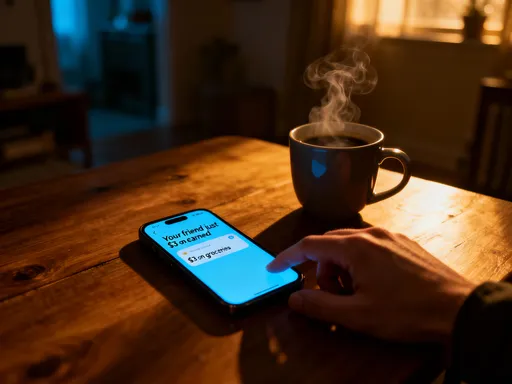
I also started sharing small wins with a close friend who was on her own learning journey. We didn’t compare progress or compete. We just celebrated each other. I finished a module today—during my focus window! I’d text. Me too! she’d reply. That tiny bit of connection made the journey feel lighter, more joyful. We weren’t just learning—we were growing together.
And the ripple effects spread beyond learning. Because I was more intentional with my mental energy, I had more patience with my kids. I made better decisions about meals and chores. I even started journaling again. Small changes in one area created quiet improvements in so many others. It wasn’t about doing more—it was about doing what mattered, at the right time, in the right way.
Learning Isn’t Just About Information—It’s About Mental Wellness
One of the most unexpected gifts of using this app was realizing that learning and mental wellness are deeply connected. I used to think of learning as purely intellectual—something that happened in my head, separate from my emotions. But the app encouraged practices that blended the two. Between learning sessions, it would prompt me to take a 60-second mindfulness pause—just breathing, noticing my body, letting go of tension. Sometimes it suggested writing a quick gratitude note: Three things I’m thankful for today. At first, I thought it was fluff. But over time, I noticed something: I felt calmer. Less anxious. More present.
I began to see that my brain wasn’t a machine to be pushed, but a living system that needed care. When I was stressed or overwhelmed, my ability to focus and remember dropped. When I felt balanced and grounded, learning flowed more easily. The app didn’t just track my focus—it helped me build mental resilience. It taught me that taking care of my emotional well-being wasn’t a distraction from learning; it was the foundation of it.
This was especially powerful during busy seasons—holidays, school events, family visits. Instead of abandoning my learning goals, I used the app to adjust. If my stress levels were high, I’d switch to lighter material or focus on review. I stopped seeing flexibility as failure. I started seeing it as wisdom.
Why This Isn’t Just a Productivity Hack—It’s Personal Growth
The real transformation wasn’t in how much I learned—it was in how I saw myself. For years, I carried the story that I wasn’t a ‘lifelong learner.’ That I was too busy, too distracted, too old to pick up new skills. But by trusting the data—the real, gentle truth of my rhythms—I began to rewrite that story. I wasn’t broken. I wasn’t behind. I was simply human, with natural peaks and valleys of energy and attention.
That shift in mindset changed everything. I became more patient with myself. I stopped rushing. I started celebrating small progress. I began setting learning goals that excited me—like understanding how to use video editing tools to make short clips of family moments, or learning about nutrition to support my family’s health. These weren’t just skills—they were acts of love, of care, of intention.
And the confidence I gained spilled into other areas. I spoke up more in group meetings. I tried new recipes without fear of failure. I even started a small blog to share what I was learning. Technology didn’t make me smarter overnight—but it gave me the tools to grow in a way that felt authentic, sustainable, and deeply personal.
Making It Work for You: Simple Steps to Start Today
If you’re feeling stuck in your learning journey, I want you to know this: you’re not alone, and you don’t need a perfect system to begin. You just need one small step. Start by exploring digital health apps that focus on mental wellness and cognitive tracking. Look for ones with simple interfaces—no complicated dashboards or technical jargon. You want something that feels friendly, not overwhelming.
Begin with just two daily check-ins—morning and evening. Answer a few quick questions about your focus, mood, and energy. Don’t worry about being perfect. Just show up. After a week or two, look for patterns. When do you feel most alert? When does your energy dip? Use that insight to schedule your most important tasks during your natural peak times. Even shifting one 30-minute session can make a difference.
Pair your learning with small self-care habits—drink water, stretch, take a walk. Let the app remind you, if it helps. And don’t forget to share your journey with someone you trust. Growth is sweeter when it’s shared. Remember, this isn’t about becoming superhuman. It’s about working with your brain, honoring your rhythm, and treating yourself with kindness. Over time, those small moments of awareness and care add up to real transformation—not just in what you know, but in how you live.