After Using 3 Time Tracking Apps, I Finally Expanded My Social Circle—Here’s How
Living a busy life, I once thought tracking time was just for productivity geeks. But when I started using time tracking apps, something unexpected happened: I found more hours in my day—not just to work, but to reconnect with friends, meet new people, and build meaningful relationships. It wasn’t about working harder; it was about living smarter. If you’ve ever felt too busy to socialize, this journey might change how you see your time—and your life. I’m not a tech expert, just someone who wanted to feel more connected without burning out. And what I discovered surprised me: the right tools didn’t make me colder or more robotic. They helped me become more human.
The Moment I Realized I Was Too Busy to Be Social
Remember that sinking feeling when you look at your phone and see three missed messages from friends? That was me—every week. I loved my people. I really did. But between school drop-offs, work deadlines, and the endless to-do list that seemed to grow faster than I could check things off, I kept canceling plans. “I’m so sorry, something came up,” I’d say, even though nothing had really changed—just the weight of everything pressing down on me.
One evening, I missed my best friend’s birthday dinner. Not because of an emergency, but because I was exhausted from a meeting that ran late, then froze at the thought of getting dressed and driving across town. I sent flowers the next day, but the guilt stayed with me for weeks. That’s when it hit me: I wasn’t just tired. I was invisible in my own life. My calendar was packed, but it was full of tasks, not moments. I wasn’t present for the people who mattered most.
That’s why I downloaded my first time tracking app—not to boost my work performance, but to answer one simple question: Where was all my time going? I didn’t want to become some hyper-efficient robot. I just wanted to understand why I kept saying “I’m too busy” when I knew, deep down, that something had to give. I started tracking not with excitement, but with quiet desperation. And what I found changed everything.
How Time Tracking Revealed My Hidden Hours
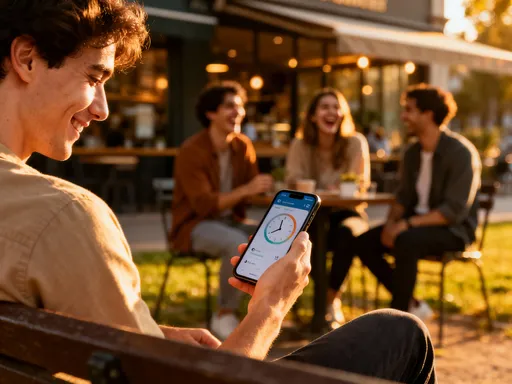
The first three days of tracking felt awkward, like wearing a fitness tracker for the first time. I kept forgetting to log things, then over-correcting by obsessively tapping every five minutes. But by day four, it became natural. I wasn’t judging myself—I was just observing. And the patterns that emerged were eye-opening.
Turns out, I wasn’t working 12-hour days. I was spending nearly two hours a day on my phone without even realizing it—mostly scrolling through news feeds or replying to non-urgent emails. I had back-to-back Zoom calls with no breaks, which left me mentally drained and too wiped out for anything social afterward. And here’s the kicker: I thought I was protecting my time by saying “no” to everything, but I wasn’t protecting it at all. I was just letting it leak away in tiny, unnoticed moments.
But here’s the beautiful part—once I could see it, I could change it. I didn’t need to cut out work or family time. I just needed to reclaim the gaps. That 45 minutes I spent aimlessly browsing? I turned it into a weekly phone call with my sister. The 20 minutes I wasted circling the block looking for parking? I started walking instead and used that time to listen to a friend’s voice message while stretching. These weren’t grand overhauls. They were small, intentional swaps that added up to real space in my day.
And that space? It became my social runway. I wasn’t creating time out of thin air—I was uncovering it, like cleaning dust off a window and finally seeing the sunlight behind it. I started saying “yes” again—not recklessly, but thoughtfully. Because now I knew: I wasn’t too busy. I was just misplacing my energy.
Choosing the Right App: Why Security Mattered More Than Features
Let’s be honest—when I first looked for a time tracking app, I cared mostly about ease of use. I wanted something simple, something that wouldn’t add more stress. But after using three different apps, I learned a lesson I didn’t expect: security wasn’t just a checkbox. It was the foundation of trust—both in the app and in myself.
The first app I tried was sleek and popular. It promised automatic tracking, smart insights, and even integration with my calendar. But within a week, I got a notification that my data had been exposed in a third-party breach. Nothing huge, they said. But my activity logs—when I was home, when I was out, how long I spent on calls—were linked to my email. That didn’t sit right with me. I didn’t want a company—or anyone—knowing when I was alone at home or when I had free time. That felt too personal, too vulnerable.
The second app was better on privacy but felt invasive in a different way. It asked for access to my location, contacts, and even my camera. I get why—it wanted to track everything automatically. But I wasn’t comfortable with that level of access. I wasn’t trying to live under surveillance, even if it was self-imposed. I wanted clarity, not constant monitoring.
Then I found the third app—one that stored data locally on my phone, used end-to-end encryption, and gave me full control over what to share. No cloud syncing unless I wanted it. No hidden permissions. I could track my time without feeling like I was giving away pieces of my life. And that made all the difference. Because once I felt safe, I could be honest. I could log that I spent an hour crying on the couch after a tough day, or that I took a long walk to clear my head. The app didn’t shame me. It held space for me—exactly as I was.
So if you’re thinking about trying time tracking, here’s my advice: don’t just look at the features. Ask who owns your data. Can you delete it anytime? Is it encrypted? Can you use it offline? These aren’t techy details—they’re emotional safeguards. Because when you’re tracking your life, you’re not just collecting data. You’re building trust—with the tool, and with yourself.
Turning Saved Minutes into Real-Life Connections
Here’s the truth no one tells you: having more time doesn’t automatically make you more social. I had all these reclaimed minutes, but at first, I didn’t know what to do with them. Old habits die hard. I still defaulted to scrolling or cleaning the kitchen for the third time that day. But then I made a simple shift: I started treating social time like an appointment—one that mattered as much as any meeting or school pickup.
I opened my app and created a new category: “People Time.” Not “errands,” not “work,” not “admin.” Just “People.” And I scheduled it—just like I would a doctor’s appointment. At first, it felt silly. “Am I really blocking off 7 PM for a phone call with my cousin?” But it worked. Because when that time showed up on my calendar, I honored it. I didn’t let another task slide in. I showed up.
I also started using the app’s reminder feature to check in with friends. Instead of waiting for birthdays or big events, I set monthly prompts: “Text Sarah,” “Call Mom,” “Ask Jen how her dog is doing.” These tiny gestures didn’t take much time, but they kept connections alive. One friend wrote back, “I was just thinking about you—so glad you reached out.” That small moment meant more than I can say.
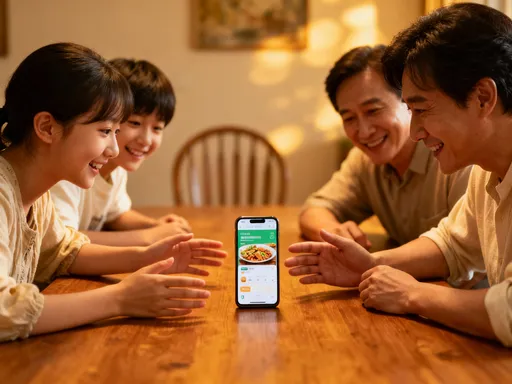
And here’s a game-changer: I began syncing my availability with a few close friends who also used time tracking. We didn’t share every detail—just our free blocks. We’d message, “I’ve got two hours free Saturday afternoon—want to meet for tea?” No endless back-and-forth texting to coordinate. No guessing. Just clarity. It felt modern, but also deeply human. We weren’t outsourcing our friendship to an app. We were using technology to protect it.
The key? Intentionality. The app didn’t make me more social. It gave me the awareness to choose connection over convenience. And once I started showing up—consistently, reliably—everything began to shift.
How My Relationships Changed When I Showed Up Consistently
You know that moment when someone really listens to you? Not just nods while checking their phone, but puts it down, makes eye contact, and says, “Tell me more”? That’s what started happening—in both directions. Because I was no longer rushing, distracted, or mentally elsewhere, my friends began opening up in ways they hadn’t before.
One friend shared that she’d been struggling with anxiety. Another told me about a family conflict she’d kept quiet for months. These weren’t small things. And they didn’t come up because I grilled them. They came up because I was present. Because I had the time and emotional space to listen. And that made all the difference.
But it wasn’t just deep conversations. It was the little things, too. I remembered birthdays. I sent “thinking of you” texts. I showed up early to pick up a friend from the airport, just because I could. And they noticed. One said, “It feels like you’re really here now.” Another hugged me and whispered, “I missed this version of you.”
That hit me hard. I hadn’t realized I’d disappeared—not physically, but emotionally. I’d been so focused on getting through the day that I forgot how to be with people. But now, because I was managing my time with more care, I was showing up with more heart. And that rebuilt trust. Friends knew they could count on me. They knew I wouldn’t cancel last minute. And that reliability became the foundation of deeper, more meaningful relationships.
What surprised me most was how this spilled over into my family life. My kids started asking, “Can we talk before bed?” My mom called more often, saying, “You seem lighter lately.” Even my relationship with myself changed. I wasn’t just surviving. I was connecting. And connection, I realized, isn’t a luxury. It’s oxygen.
Balancing Privacy and Sharing: Staying Safe While Connecting
Now, I’ll be honest—sharing my schedule with others felt scary at first. I didn’t want to over-expose myself. I value my privacy, especially as a woman living alone. I didn’t want anyone knowing when I was home, when I was out, or how much free time I had. That’s why I set clear boundaries from the start.
With the app, I could share only my free time blocks—without showing where I was or what I was doing. I used generic labels like “Available” or “Open Slot” instead of “Home Alone” or “Free After Kids’ Bedtime.” I also created aliases for shared calendars—using first names only, no last names or addresses. And I limited sharing to just two or three trusted friends. This wasn’t about secrecy. It was about safety and comfort.
I also set time-sharing limits. For example, I’d share my weekend availability on Friday mornings, then unshare it by Sunday night. That way, I stayed connected without feeling exposed. And I encouraged my friends to do the same. We weren’t tracking each other—we were supporting each other’s freedom.
Another thing I learned: not every app handles privacy the same way. Some make it easy to overshare. Others make it hard to control. That’s why I stuck with the one that let me decide—down to the minute—what to reveal and what to keep private. Because technology should empower us, not expose us. And when we feel safe, we can be more open, more generous, more present.
So if you’re thinking about sharing your schedule, start small. Share one day at a time. Use vague labels. Stick to trusted people. And remember: you’re in control. This isn’t about giving up privacy. It’s about using it wisely so you can connect more freely.
Why This Wasn’t About Productivity—It Was About Living Fully
Looking back, I realize I never needed more hours in the day. I needed better ones. Time tracking didn’t turn me into a productivity machine. It didn’t make me work faster or sleep less. What it did was help me see my life more clearly—where my energy was going, what I was prioritizing, and what I was missing.
The real win wasn’t the 11 hours I reclaimed each month. It was the coffee dates, the long phone calls, the spontaneous walks with neighbors, the book club I joined, the friendships I deepened. It was hearing my daughter say, “You’re laughing more now.” It was feeling like I wasn’t just going through the motions, but actually living.
Technology often gets a bad rap for pulling us away from real connection. And yes, it can. But used with intention, it can also bring us closer. It can help us protect what matters—our time, our energy, our relationships. It can give us the clarity to say “no” to chaos and “yes” to people.
So if you’ve been putting off that coffee with a friend, or skipping family dinners because you’re “too busy,” I want you to know: it’s not about doing more. It’s about seeing clearly. It’s about using tools not to become perfect, but to become present. Because the most valuable thing we have isn’t money, status, or even time—it’s connection. And sometimes, it takes a little tech to help us remember how to give it.
You don’t need to track every second. You don’t need the fanciest app. You just need to start—wherever you are. Notice where your time goes. Reclaim a few minutes. Use them to reach out. Let someone know they’re not forgotten. Because in the end, we won’t remember the tasks we checked off. We’ll remember the moments we showed up. And that’s a life worth tracking.