Tired of Your Living Room Feeling Cluttered and Lifeless? Smart Scenes That Transform Your Space Overnight
Have you ever walked into your living room and felt like something was off—too dim, too messy, too disconnected from how you actually live? You’re not alone. Most of us design our spaces once and forget them, but life changes. What if your room could adapt with you? Smart scene settings don’t just add tech—they bring your home to life, turning chaos into calm with a single tap. Imagine walking in after a long day and the lights know to soften, the temperature feels just right, and your favorite music begins to play. That’s not magic. It’s smart living. And it’s closer than you think.
The Living Room That No Longer Serves You
Let’s be honest—how many of us still use our living room the way we originally intended? Maybe it started as a cozy place for family movie nights, but now it’s where the mail piles up, the dog’s toys live, and you collapse after work with a takeout container in hand. The truth is, most living rooms are designed for a version of life that no longer exists. We set them up once—maybe with a beautiful rug, a stylish sofa, and a few carefully placed candles—and then we walk away, expecting the space to stay perfect forever. But life doesn’t work that way. Kids grow, routines shift, and our needs change. Yet, the room stays frozen in time, like a photo from five years ago that no longer looks like you.
This mismatch between how we live and how our space is set up creates a quiet kind of stress. You don’t always notice it, but it’s there—like the low hum of a refrigerator you’ve learned to ignore. You walk in and feel… unsettled. Maybe the lighting is too harsh for reading, or too dim to cook dinner while keeping an eye on the kids. The coffee table is covered in books and half-finished mugs, and the TV is always on, even when no one’s watching. The room doesn’t feel inviting. It feels like a chore. And that’s a problem, because your living room should be your sanctuary. It should be the place where you recharge, connect, and breathe. When it doesn’t support you, it starts to drain you instead.
The good news? You don’t have to tear everything out and start over. You don’t need a full renovation or a designer on speed dial. What you need is flexibility. You need a space that can shift as your day shifts—bright and energizing in the morning, warm and cozy at night, quiet and focused when you’re working from home. And that’s exactly what smart scene settings offer: a way to make your room as dynamic as your life.
A Day in the Life: Living with a “Normal” Living Room
Let’s walk through a typical day in a traditional living room—one without smart scenes. You wake up late, rush through your morning, and stumble into the living area half-awake. The room is dark, the curtains are closed, and the air feels stale. You fumble for the light switch, but the overhead bulb is too bright, too sudden. It jolts you, but not in a good way. You wish there was a gentler way to wake up, something that eases you into the day. But no, it’s either total darkness or full-on glare. So you squint, pour coffee, and scroll through your phone, hoping to feel alert.
By midday, you’re working from the couch. The sun is now streaming in, creating a glare on your laptop screen. You adjust the blinds, but then it’s too dark. You turn on a lamp, but it doesn’t reach your desk area. You end up hunched over, eyes tired, back aching. The room isn’t helping you focus—it’s fighting you. And when you finally take a break, you want to relax, maybe read a book. But the lighting is still all wrong. The same lamp that was too weak earlier is now too strong. You grab a throw blanket, dim the lights manually, and still, it doesn’t feel quite right.
Then comes evening. Friends are coming over. You scramble to make the space look presentable. You tidy up, light a candle, turn off the harsh lights, and put on some music. It takes ten minutes just to set the mood. And when they leave, you do it all again in reverse—turning things off, adjusting the thermostat, making sure the house is secure. It’s exhausting. And the next morning? Back to square one. No continuity. No flow. Just constant adjustment, like you’re always playing catch-up with your own home.
Does this sound familiar? If so, you’re not doing anything wrong. You’re just living in a space that wasn’t designed to move with you. But what if it could?
The Game-Changer: What Are Smart Scene Settings?
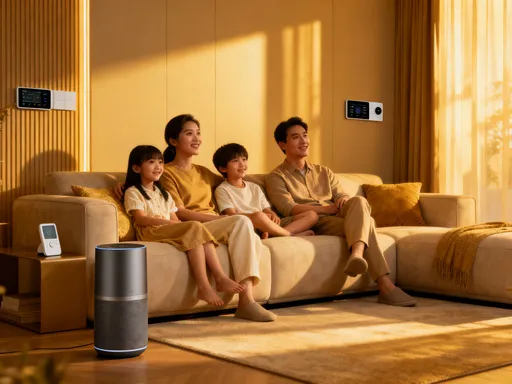
Smart scene settings are like playlists for your home. Just as you might have a “Morning Motivation” playlist on your phone, you can now have a “Morning Boost” scene in your living room. A scene is a custom combination of lighting, temperature, sound, and even smart furniture settings that activate with one command. You name it, you set it, and it works—every time.
For example, your “Movie Night” scene might dim the lights to 20%, lower the blinds, turn on the TV, set the soundbar to theater mode, and adjust the thermostat to a cozy 72 degrees. With one tap on your phone or a simple voice command like “Hey Google, movie time,” your entire room transforms. No more fiddling with remotes, no more walking around to turn things off. The room does it for you.
Or imagine a “Good Morning” scene. As your alarm goes off, the lights slowly brighten to mimic sunrise, the thermostat warms the room just a few degrees, and soft music begins to play—something calming, like piano or nature sounds. You wake up gently, naturally, without the shock of a blaring alarm or a dark room. Your body feels more in sync, your mind clearer. That small change can set the tone for your entire day.
And it’s not just about convenience. These scenes are designed to support your well-being. “Focus Mode” might turn off distractions, set task lighting on your desk, and silence notifications. “Wind Down” could lower the lights, play a soothing playlist, and remind you to turn off screens. These aren’t just settings—they’re habits, built into your environment. They help you live with more intention, without having to remember every little thing.
Before: The Struggle of Static Design
Most homes are built—or decorated—like museums. Everything has its place, and once it’s set, it stays that way. The couch faces the TV. The lamp is in the corner. The thermostat is set to 70 and forgotten. This static design might look great in a magazine photo, but real life isn’t static. You’re not the same person at 8 a.m. as you are at 8 p.m. Your needs shift, your mood changes, and your activities vary. But your room? It stays the same.
This rigidity leads to inefficiency and frustration. You end up overcompensating. It’s too cold, so you turn the heat way up. Then it’s too hot, so you open a window. Lights are either on or off, with no in-between. You waste energy, money, and time adjusting things manually. And because the space doesn’t adapt, you do. You wear extra sweaters. You squint at your book. You accept discomfort as normal. But it doesn’t have to be this way.
The problem isn’t your room. It’s that your room isn’t listening. It’s not responding to you. And in a world where our phones, cars, and even refrigerators are getting smarter, it’s time our living spaces caught up. A smart scene isn’t about turning your home into a sci-fi movie. It’s about making it more human. It’s about creating a space that understands your rhythms and supports them—without you having to say a word.
After: Dynamic Living with Smart Scenes
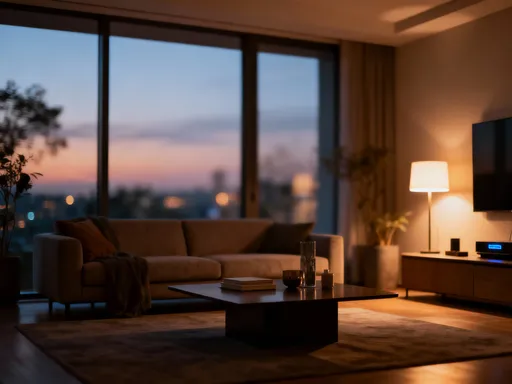
Now, let’s reimagine that same day—but with smart scenes. You wake up, and before you even get out of bed, your “Morning Boost” scene activates. The lights in the living room begin to rise slowly, warming from soft amber to a bright, energizing white. The thermostat adjusts to a refreshing 68 degrees. Your favorite morning playlist starts at a low volume. You walk into the room, and it feels alive—inviting, alert, ready for the day.
Later, you’re working from the couch. You say, “Alexa, focus mode,” and the room shifts. The overhead lights dim, but a smart desk lamp turns on, shining just where you need it. The TV turns off. Your phone goes into do-not-disturb. Even the blinds adjust slightly to reduce glare. You’re not fighting your environment anymore. It’s working with you.
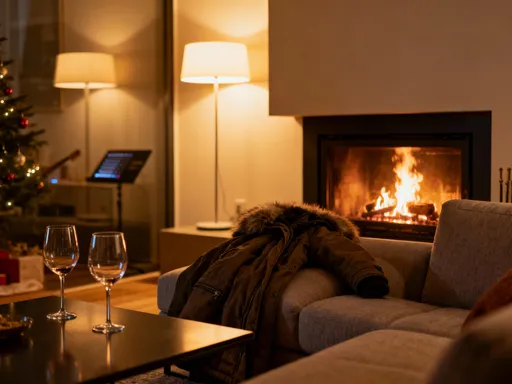
In the evening, you have friends over. You tap “Entertain” on your phone. The lights shift to a warm, flattering glow. The speaker starts playing background music. The thermostat adjusts to keep the room comfortable as more people arrive. No running around. No last-minute fixes. The room just… knows.
And when it’s time to wind down? You say, “Goodnight,” and everything powers down. The lights fade. The TV shuts off. The thermostat lowers to save energy. The front door locks. You don’t have to check anything. You can trust that your home is taken care of. That peace of mind? That’s priceless.
This isn’t about luxury. It’s about alignment. It’s about creating a space that moves with you, not against you. And the best part? You don’t need to be a tech expert to make it happen.
Making It Real: Simple Steps to Get Started
If this sounds amazing but a little overwhelming, take a deep breath. You don’t need to install ten new devices overnight. Start small. The easiest place to begin is with smart lighting. Replace one or two of your existing bulbs with smart bulbs—ones that let you adjust brightness and color from your phone. They’re affordable, easy to install, and make an immediate difference.
Next, download the free app that comes with your bulbs. Spend ten minutes creating your first scene. Call it “Relax” or “Evening Calm.” Set the lights to a warm, soft glow—around 2700K is perfect for cozy evenings. Maybe add a timer so it turns on at 7 p.m. every day. Test it for a few nights. Notice how it makes you feel. Does it help you unwind? Does it make the room feel more peaceful?
Once you’re comfortable, add one more layer. Maybe a smart plug for your lamp or speaker. Or a smart thermostat that learns your schedule. These devices talk to each other through your home Wi-Fi, so you can control them all from one app. No extra remotes. No confusing setups.
Then, create more scenes. Try a “Morning” scene that brightens the lights gradually. Or a “Movie” scene that dims the lights and turns on your sound system. Invite your family to try them. Let your kids name a scene—“Homework Mode” or “Game Time.” When everyone feels involved, the tech stops feeling cold and starts feeling personal.
And don’t worry about getting it perfect. Your scenes can evolve. Change the lighting. Adjust the timing. Delete what doesn’t work. This is your home, your rhythm, your life. The technology should follow you—not the other way around.
More Than Comfort: How Your Space Shapes Your Life
At the end of the day, smart scenes aren’t just about convenience. They’re about care. They’re about creating a home that cares for you—gently, quietly, consistently. When your environment supports you, you feel more grounded. You’re less stressed. You sleep better. You connect more deeply with the people around you.
Think about how many hours you spend in your living room. It’s not just a room. It’s where you laugh, where you cry, where you dream, where you rest. It’s part of your emotional landscape. When it feels chaotic, you feel chaotic. When it feels calm, you feel calm. That’s the power of environment. And when that environment is responsive—when it shifts with your needs—you start to feel more in control of your life.
Smart scenes also help you build better habits. A “Wind Down” scene that turns off screens and plays calming music makes it easier to unplug. A “Morning” scene that eases you into the day helps you start with clarity. These small nudges, built into your space, can lead to big changes over time.
And let’s not forget the joy. There’s something deeply satisfying about walking into a room that feels just right. No adjustments. No compromises. Just comfort. It’s like the room is giving you a hug. It says, “I see you. I know what you need. I’ve got you.” That emotional connection—that sense of being understood—is what turns a house into a home.
So if your living room feels stuck, if it’s not serving you the way it should, don’t give up on it. Don’t assume you need a full redesign. Try something new. Try smart scenes. Start small. Be patient. Let your home learn you, just as you’ve learned to live in it. Because the most beautiful spaces aren’t the ones that look perfect in photos. They’re the ones that feel perfect when you’re in them. And with a little smart tech, that feeling is within your reach.